
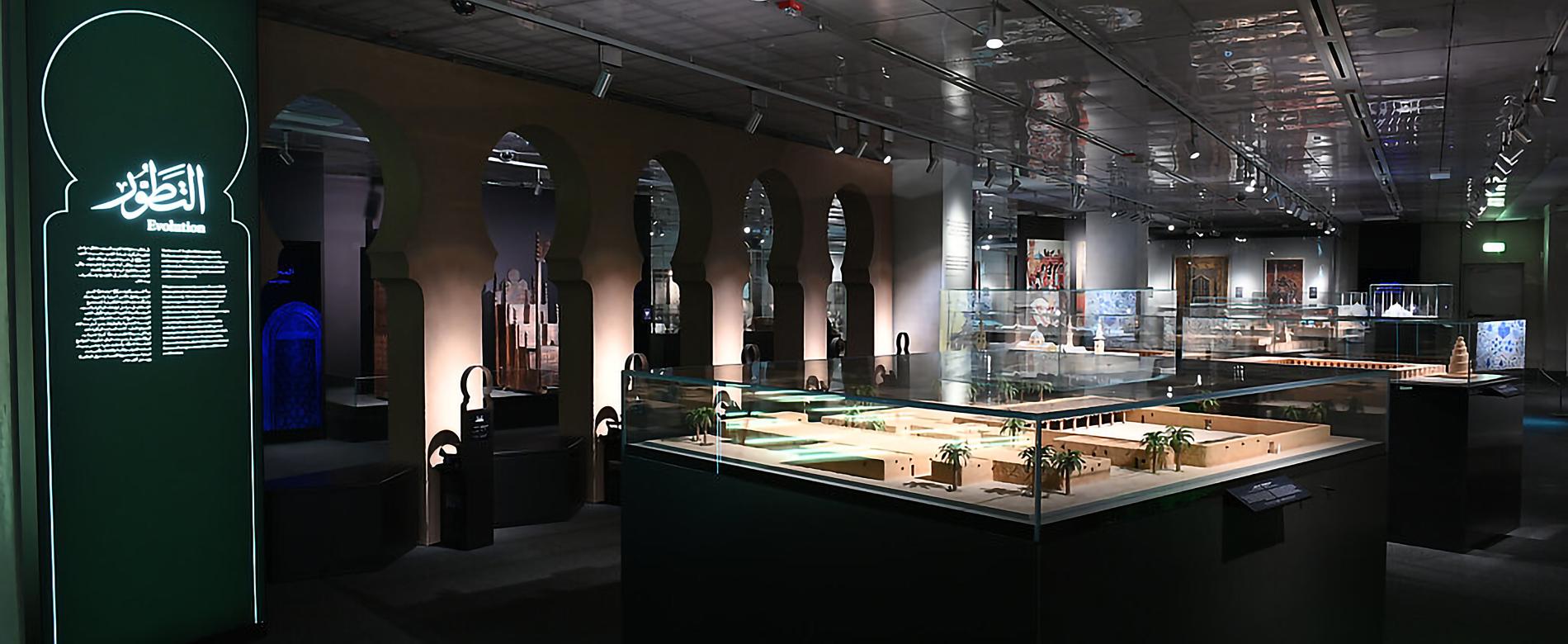
How Thoughtful Signage Reduces Visitor Fatigue and Improves Flow
Anyone who works in museums knows the phenomenon of “museum fatigue.” Attention and energy decline surprisingly quickly. Visitors often start strong, but within half an hour many are slowing down - not because the content is less interesting, but because navigating dense exhibitions is tiring.
Museums are already adapting: some create smaller micro-galleries with natural breaks, many provide more seating, and others experiment with dynamic circulation routes. But one of the most effective, and most overlooked, tools for sustaining engagement is signage
The Fatigue Challenge
Visitor fatigue has both physical and cognitive roots. Physically, exhibitions demand a lot of walking, standing, and scanning. Cognitively, the constant flow of new information can overwhelm. The result is shorter dwell times, reduced comprehension, and visitors leaving earlier than intended.
Museums are investing heavily in creating calmer rhythms - providing rest spaces, introducing pauses between high-density galleries, or rethinking circulation. But signage and graphics, which appear on every wall and object label, can either amplify the fatigue or help reduce it.
The Role of Signage
Signage is more than instruction. When designed well, it actively supports visitor energy and confidence.
- Navigation: Clear wayfinding reduces wasted effort and anxiety about “where to go next.”
- Interpretation: Chunked, well-structured information avoids overwhelming visitors with dense text.
- Tone of voice: Friendly, welcoming language helps visitors feel invited, not lectured.
- Accessibility: Good legibility, colour contrast, and tactile options ensure that all visitors can engage equally without extra strain.
When these elements align, visitors conserve energy for the content itself, rather than spending it on simply moving through the space.
Design Principles That Work
There are several practical ways to design signage that supports visitor comfort:
- Legibility first. Clear typefaces, generous sizing, and strong colour contrast make reading effortless.
- Strategic positioning. Placing signs at rest points or natural transitions allows visitors to reorient without breaking focus.
- Visual cues. Colour coding or subtle icons help visitors recognise themes and zones without long explanations.
- Integration with story. Wayfinding that reflects the exhibition narrative feels part of the experience rather than a bolt-on.
These principles don’t eliminate fatigue, but they help pace it - giving visitors more time and energy to absorb the exhibition’s stories.
In Practice
At the Museum of London, Service Graphics produced and installed wayfinding signage across a complex site, ensuring visitors could navigate confidently through varied spaces
At Pitlochry Dam Visitor Centre in Scotland, bespoke internal and external signage was delivered, including cast iron wayfinding fingers. These elements formed part of the wider visitor experience, guiding people through a story that stretches across the site
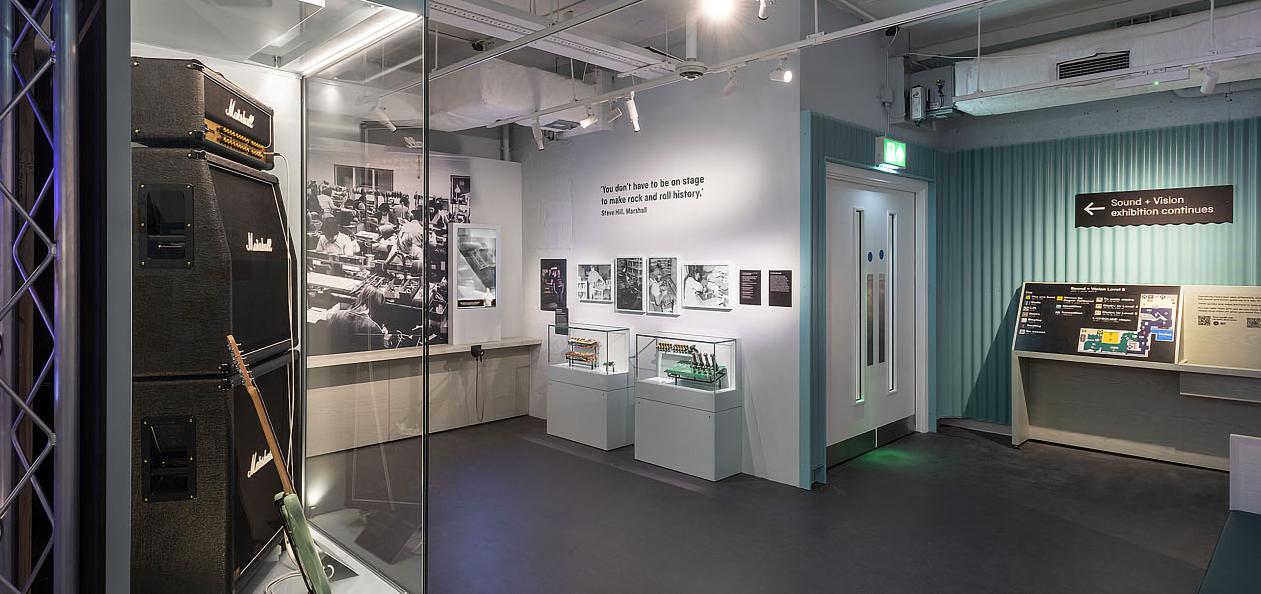
And in Bradford’s National Science and Media Museum, the Sound & Vision gallery refresh included everything from object labels and wall text to wayfinding and floor graphics. Installed in a listed building under strict conditions, these elements worked together to support accessibility and flow
Conclusion
Visitor fatigue can’t be eliminated, but it can be managed. Museums already use rest areas and dynamic layouts to help - and signage should be recognised as part of that same toolkit. When designed and delivered with care, it reduces confusion, lowers cognitive load, and helps visitors stay engaged for longer.
In the end, smart signage isn’t just about telling people where to go. It’s about ensuring they still have the energy to enjoy what they find when they get there.
Heading
Read Next...
Sound+Vision: Delivering a Permanent Museum Gallery
Heading
Learn More...
Museums & Visitor Attraction Graphics