
Retail in 2026: Discovery, Retail Media and the Physical–Digital Crossover
Across this series, we’ve explored how retail in 2026 is being reshaped by rising expectations of value and trust, by operational pressure and execution reality, and by the growing recognition of stores as competitive systems.
In this final article, we turn to one of the most discussed - and often misunderstood - shifts in retail: how discovery and monetisation are changing, and why physical retail remains central to making them work.
Discovery no longer follows a single path
Shoppers no longer discover products in a neat, linear journey. Inspiration might come from search, social platforms, creators, brand channels or recommendations - often in parallel, and often incompletely.
By the time a shopper enters a store, discovery is rarely finished. Instead, physical retail increasingly becomes the place where decisions are confirmed, validated or reconsidered.
This puts new pressure on the in-store environment. Stores must pick up fragmented journeys and provide clarity quickly - reinforcing brand, explaining proposition and supporting confident decision-making.
Discovery, in other words, continues in-store. It doesn’t end online.
Retail media is maturing - and facing limits
Retail media has grown rapidly, moving from experimentation to a more disciplined phase focused on incrementality, standards and measurement.
As this channel matures, its limits are becoming clearer. Excessive messaging, poorly integrated placements or overly aggressive monetisation can erode trust and distract from the shopping experience.
The most effective retail media strategies respect the physical environment. They complement navigation, align with brand intent and feel like a natural part of the store - not an intrusion.
In 2026, monetisation must coexist with experience. When it doesn’t, both suffer.
The physical–digital crossover is an execution challenge
As discovery fragments across channels, the need to connect digital intent with physical delivery grows stronger.
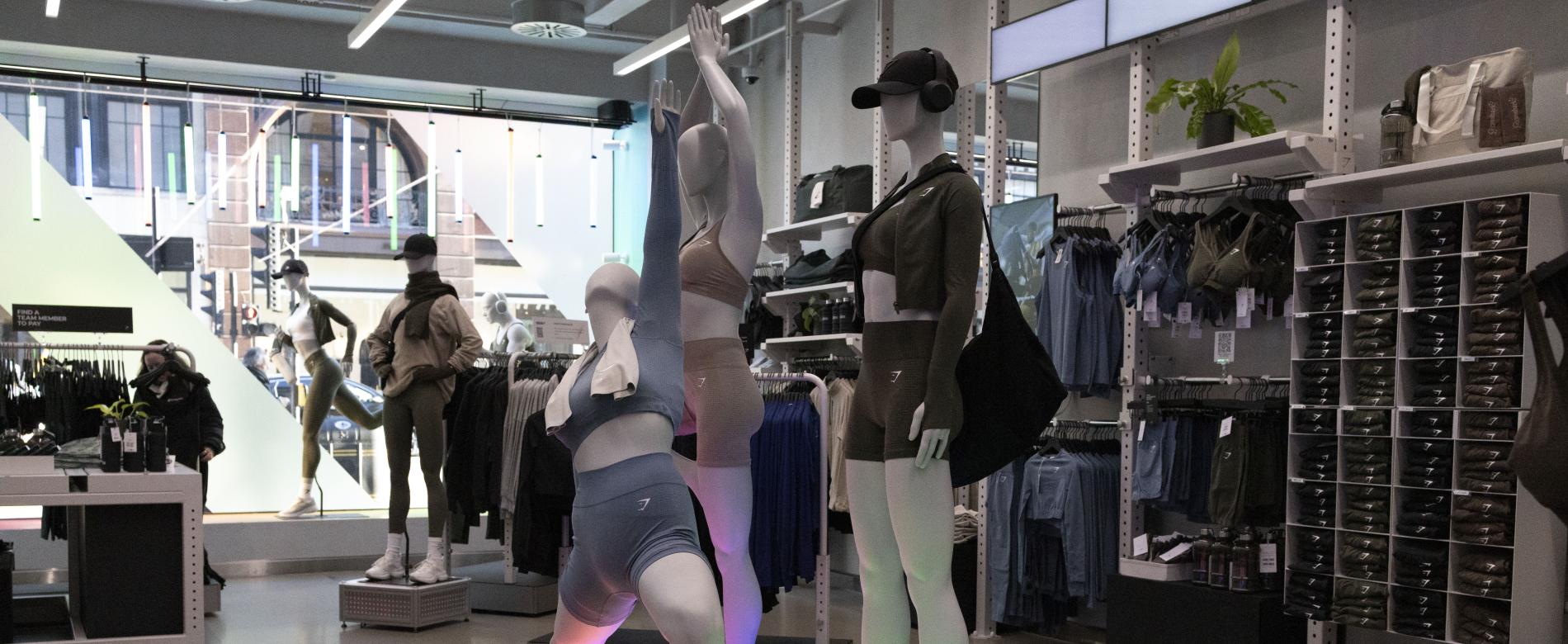
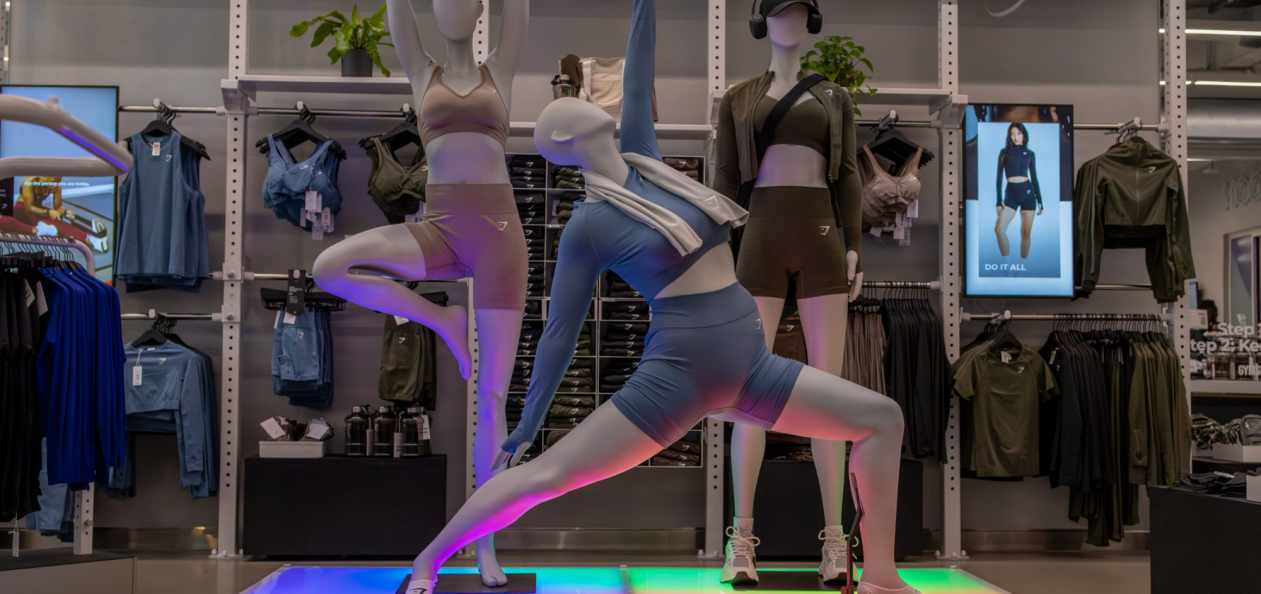
Digital campaigns, creator moments and online demand often require real-world activation: windows that reflect what shoppers have seen online, feature zones that support a campaign narrative, signage and screens that guide attention without overwhelming it.
When this crossover is poorly executed, the experience breaks down. Messaging feels disconnected, stores feel out of sync, and confidence drops.
When it’s done well, physical space becomes the bridge between awareness and action - translating digital interest into tangible engagement.
Physical environments provide structure amid complexity
In a landscape of fragmented discovery and increasing media pressure, physical retail plays a stabilising role.
Stores anchor brand identity. They provide consistency across channels and reassurance in moments of decision. Well-executed environments help digital initiatives feel credible, coherent and grounded.
Rather than competing with digital discovery, physical retail gives it structure - offering context, clarity and confidence at the point where choices are made.
This is why, despite rapid change elsewhere, the quality of physical execution continues to matter.
Turning digital intent into physical reality
Translating digital ideas into physical space is rarely straightforward. Campaigns designed for screens still need to work in real environments - with constraints, timelines and customer flow to consider.
Bringing together print, structures and AV in ways that feel intentional and on-brand requires more than production alone. It demands an understanding of how digital intent needs to live physically - and how to deliver that consistently across multiple locations.
For companies such as Service Graphics, this means supporting retailers at the point where digital ambition meets physical reality: activating campaigns, environments and updates at pace, without compromising the in-store experience or operational stability.
Bringing the series together
Across all four articles, a consistent theme has emerged.
Retail advantage in 2026 does not come from chasing every new channel, technology or trend. It comes from connection - between value and trust, strategy and execution, digital intent and physical reality.
As expectations rise and journeys fragment, physical retail remains where these forces converge. Not as a legacy channel, but as a critical layer that makes modern retail work.
The retailers that succeed will be those who treat physical space not as an afterthought, but as the place where everything comes together - clearly, confidently and consistently.
If you’d like to explore how these ideas translate into real environments, you can find more about our work at Service Graphics using the links below.
Heading
Read Next...
Value & Trust in the Instore Experience
Heading
Learn More...
Retail Graphics | Award Winning Displays