
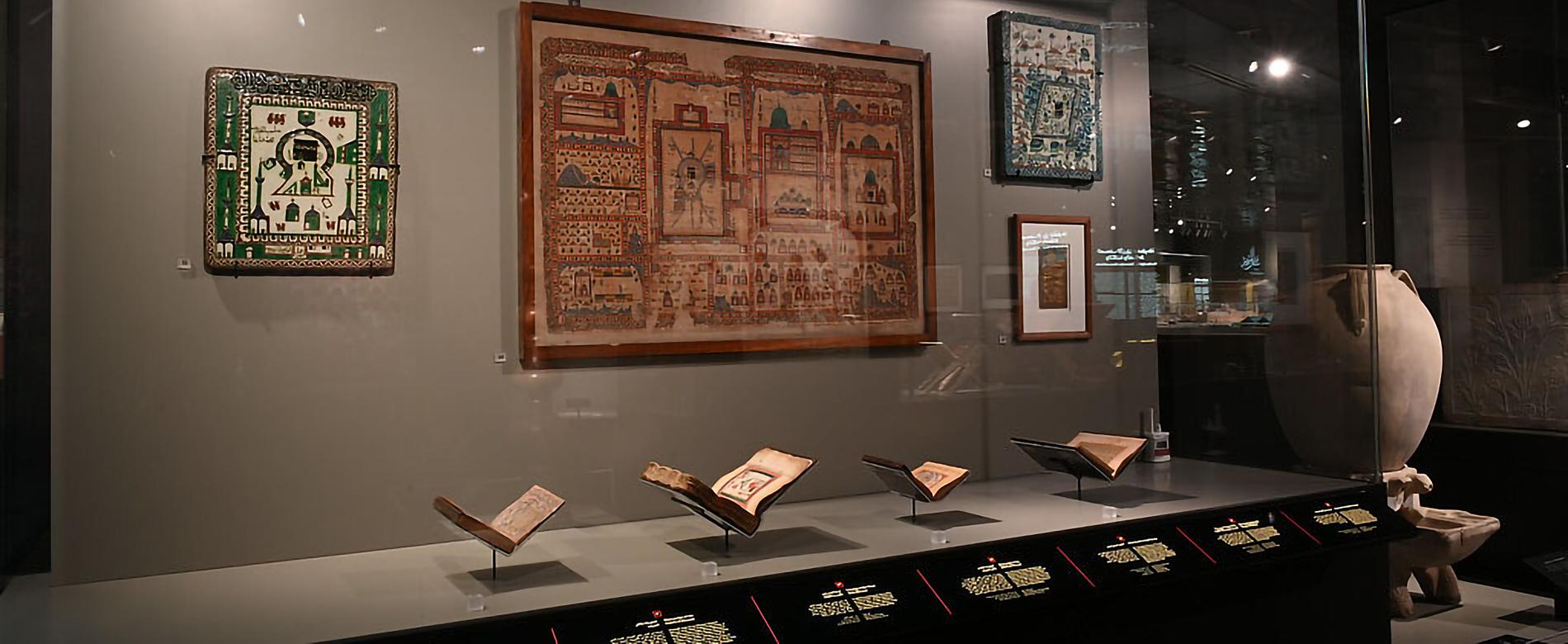
De-Risking Exhibition Delivery in Museums
Exhibition launch dates don’t move. Once an opening is announced, press previews are booked, and school groups are promised visits, there is no flexibility. For museums, the reputational cost of a delayed opening can outweigh the financial one. That pressure makes exhibition delivery uniquely high-stakes. Yet anyone who has worked on a major gallery installation knows how easily projects can slip in the final stretch.
So how can museums, architects and fit-out contractors reduce risk when the deadline is immovable?
Why Exhibition Delivery is High-Risk
Exhibitions are unlike most fit-out projects. They are public-facing, high-visibility, and must open on a fixed date - even if design changes or technical problems arise. Installations often take place in listed or historic buildings, where access is limited and every intervention must be carefully controlled. At the same time, valuable collections need to be protected from dust, vibration and damage.
Adding to the challenge, these projects rarely involve a single contractor. Designers, fabricators, AV integrators, lighting specialists and graphics providers all work on overlapping schedules, often in tight spaces. With so many moving parts, even small issues can cascade quickly.
Where Projects Slip
Late content changes are one of the biggest causes of last-minute stress. A revised caption, a new label, or an adjusted colour palette can send graphics back to production when time is already short. Materials can also be a weak link: substrates that haven’t been tested under gallery lighting may warp, fade, or look inconsistent once installed.
Production capacity is another pressure point. Deadlines in the sector often converge - spring and autumn openings, for example - and if the supply chain cannot flex, bottlenecks appear. And on site, coordination is everything. An AV team installing equipment in the same space as a graphics team fitting wall vinyls can lead to delays that, though small in hours, are critical in the countdown to opening day.
How to Reduce Risk
There are, however, proven ways to reduce risk. Early prototyping and sampling help identify potential problems before they snowball - whether that’s colour balancing across substrates or testing a new eco-material for durability. Building structured checkpoints into the schedule keeps quality on track and avoids large batches of rework.
Communication is just as vital. Regular updates between curators, designers and contractors allow small adjustments to be caught early, rather than surfacing in the final week. And using production networks with the scale to handle peaks in demand prevents bottlenecks when deadlines coincide across projects. In high-pressure environments, these safeguards can be the difference between a smooth launch and a scramble.
In Practice
At the National Science and Media Museum in Bradford, the £6m Sound & Vision gallery transformation set an immovable opening date for January 2025. More than 700 bespoke graphics were required - from wall treatments and object labels to wayfinding and floor graphics. Installation was carried out in a listed building, alongside other contractors, with protective methods to ensure no impact on the structure or collections. Daily joint inspections with the museum team helped keep the project on track and risk-free.
At the Design Museum in London, the Waste Age exhibition carried its own risks. The project demanded sustainable materials, including recycled acrylics, and everything had to be delivered and installed without delay. Early eco-material consultation, colour sampling and in-house production helped ensure the exhibition opened on time and to specification.
These examples underline the same point: risk cannot be eliminated, but it can be managed with planning, testing, and clear communication.
Conclusion
Exhibitions will always carry risk. Deadlines are fixed, environments are sensitive, and teams are many. But by recognising where projects usually slip - and putting safeguards in place from the start - museums can reduce stress, protect budgets, and safeguard reputations.
The goal isn’t just an opening that happens on time. It’s an opening where visitors experience the exhibition as it was meant to be seen, without compromise.
Heading
Read Next...
Seven Hidden Risks in Museum Exhibition Graphics
Heading
Learn More...
Museums & Visitor Attraction Graphics