
Seven Hidden Risks in Museum Exhibition Graphics
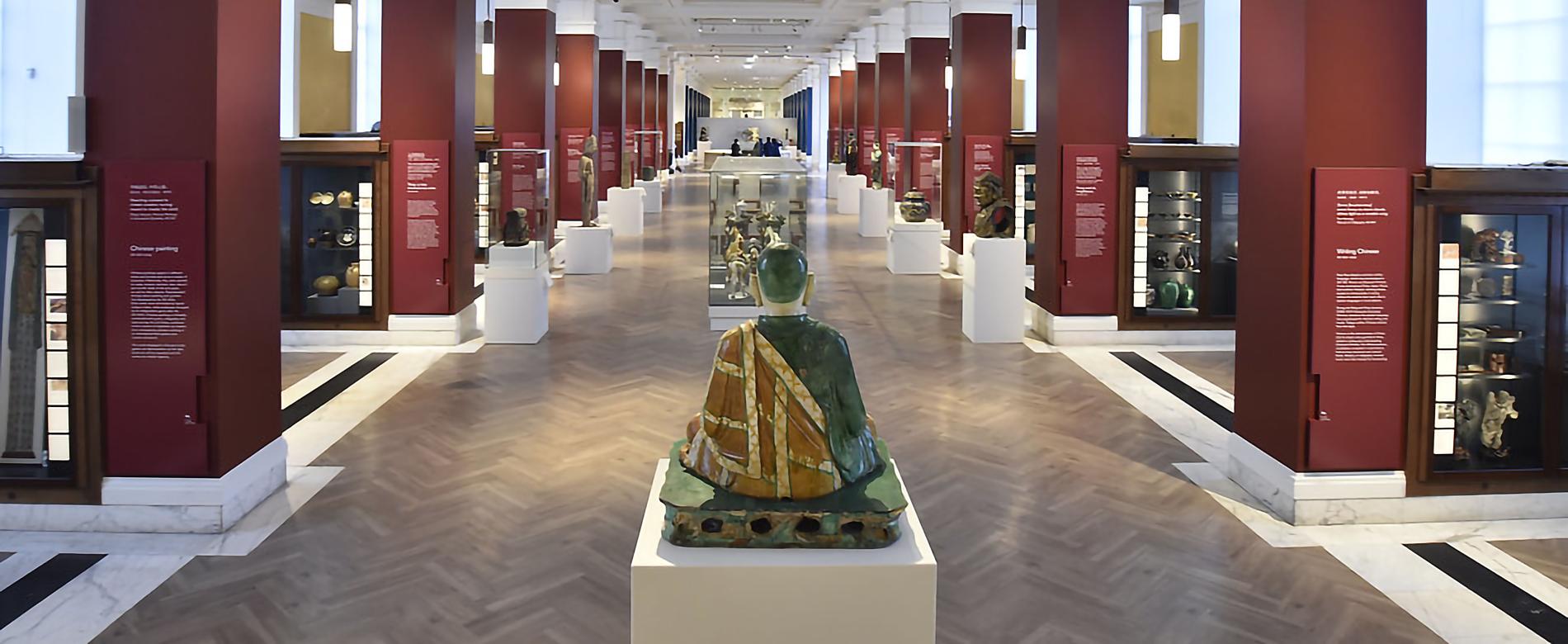
Graphics are everywhere in exhibitions: wall panels, floor treatments, object labels, wayfinding systems. They carry interpretation, guide movement, and set the visual tone. Precisely because they touch so many surfaces, graphics are also one of the most visible sources of last-minute problems if not carefully managed.
These issues rarely make headlines, but they can derail timelines, add costs, and damage the visitor experience. The good news: most can be anticipated and avoided.
Why Graphics Are Critical
Graphics are often among the final elements to be installed, yet they’re also the most immediately visible to visitors. That means any problem - a colour mismatch, peeling vinyl, or misaligned panel - is front and centre on opening day.
At the same time, graphics are rarely standalone. They interact with lighting, architecture, AV equipment and other contractors’ work. This makes them both essential and vulnerable.
Seven Hidden Risks
Here are some of the issues that most often surface when graphics are left too late or not fully tested:
- Unsuitable substrates in heritage environments
Materials that look good in theory may not be permitted or may underperform in listed buildings. - Surface preparation problems
Poorly prepared walls or structures can cause vinyls or panels to fail within days of opening. - Colour inconsistencies
Without strict colour management, brand colours or graphic palettes may look different across substrates or under exhibition lighting. - Late content changes
Even small updates to captions or labels can create knock-on delays if not planned for. - Production bottlenecks
Limited capacity close to opening dates can lead to rushed work or missed deadlines. - On-site clashes
Graphics installation often overlaps with AV and lighting teams - a recipe for delays without close coordination. - Sustainability oversights
Materials marketed as recyclable may lack real end-of-life pathways, creating reputational risk.
How to Avoid Them
While these risks are real, they’re also manageable with the right processes:
- Sample early. Testing substrates, colours and finishes under real conditions prevents surprises.
- Maintain colour discipline. Use calibrated proofing and consistent workflows to ensure accuracy.
- Build in flexibility. Allow capacity for late text updates or minor design changes.
- Coordinate on site. Joint inspections and RAMS with other contractors keep everyone aligned.
- Check recyclability in practice. Confirm whether materials can genuinely be reused or recycled.
These steps don’t add much time, but they save a great deal of stress.
In Practice
At the National Science and Media Museum’s Sound & Vision gallery, graphics were installed in a listed building under strict conditions. Daily joint inspections with the museum team, alongside RAMS procedures, ensured no impact on the building fabric or collections - and the project opened on time with more than 700 bespoke graphics delivered.
At the Tank Museum in Bovington, graphics for the WW2 Stories exhibition included panels finished with anti-graffiti lacquer. This added durability ensured the displays would withstand heavy visitor use without early wear.
Both projects show that with planning and protective measures, the most visible risks can be controlled.
Conclusion
Exhibition graphics are essential - and precisely because they are so visible, they carry disproportionate risk when things go wrong. By recognising the hidden pitfalls early, and putting safeguards in place, museums and their contractors can ensure graphics enhance rather than endanger the visitor experience.
Handled well, graphics don’t just deliver information. They deliver confidence: that what opens on day one will look as good as it was imagined.
Heading
Read Next...
How Thoughtful Signage Reduces Visitor Fatigue and Improves Flow
Heading
Learn More...
Museums & Visitor Attraction Graphics